
Portugal, April 2026
So: on the fourth attempt, having booked and cancelled it three times before, we finally got to Portugal. We spent eight days there, four in Porto, four in Lisbon, and honestly, found them both to be a weird mixture of fab and frustrating.
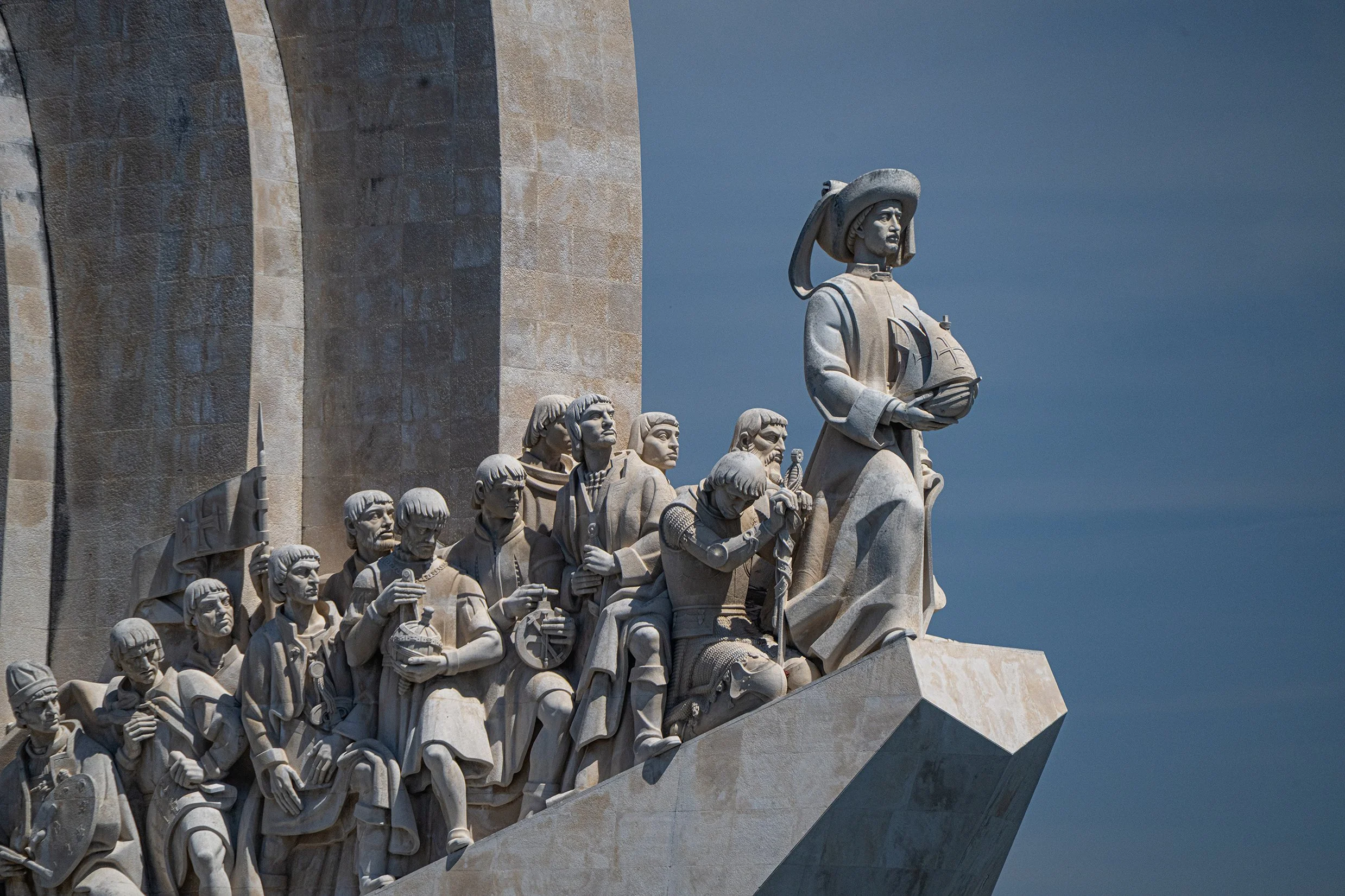
The Belém Monument
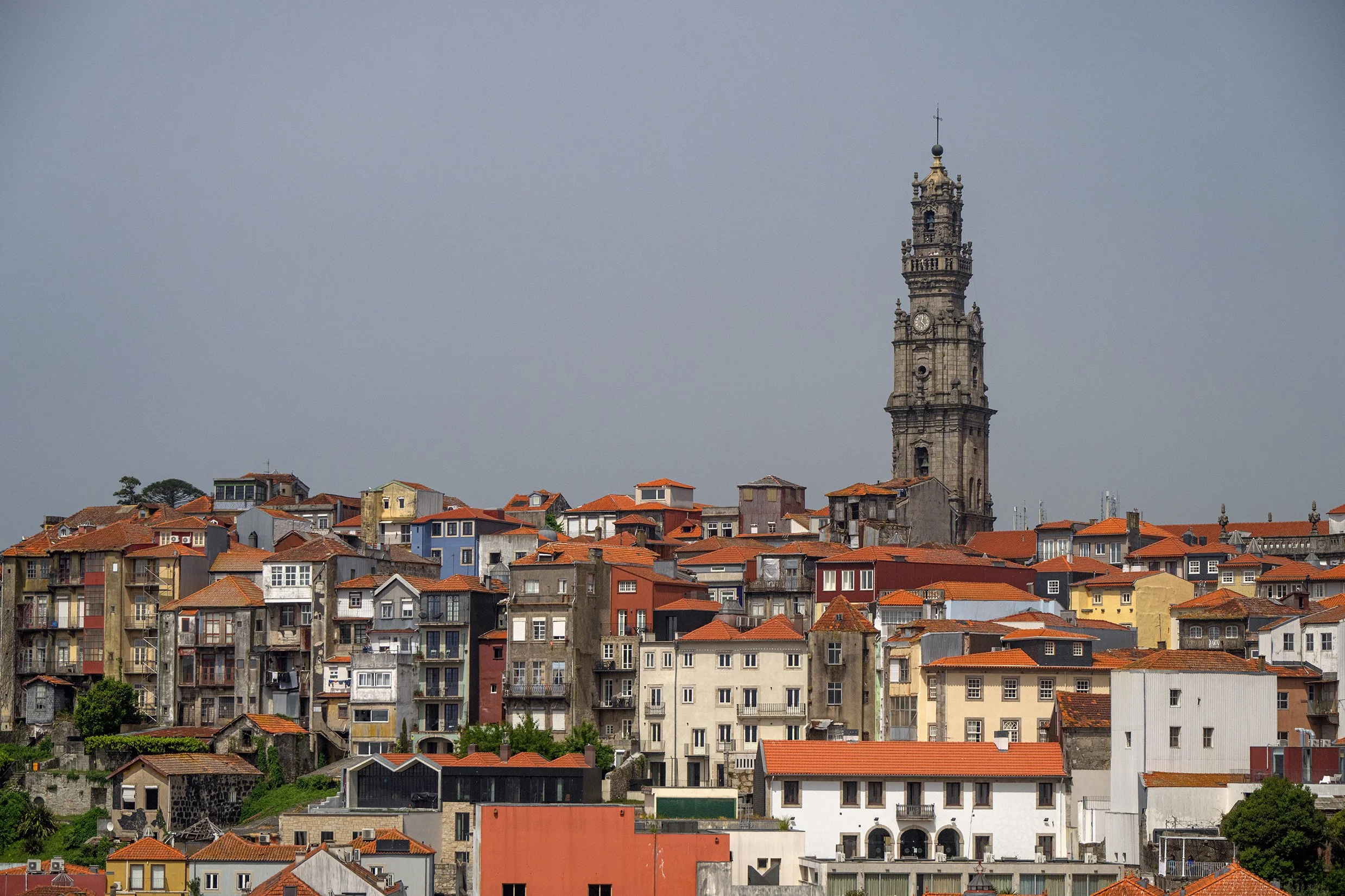
Porto, which looks so sleepily cosy in photos, actually makes little apparent effort to appeal to tourists; in fact in many places it’s quite rundown, with crumbly buildings everywhere either undergoing renovation or simply sliding into ruin. That’s actually not all bad, because it feels like a real place rather than a theme park, and some of the rust and peeling paint has a certain charm. All the same, it’s not all attractive, and even where it is, the sheer volume of closed streets and scaffolding is a bit wearing.
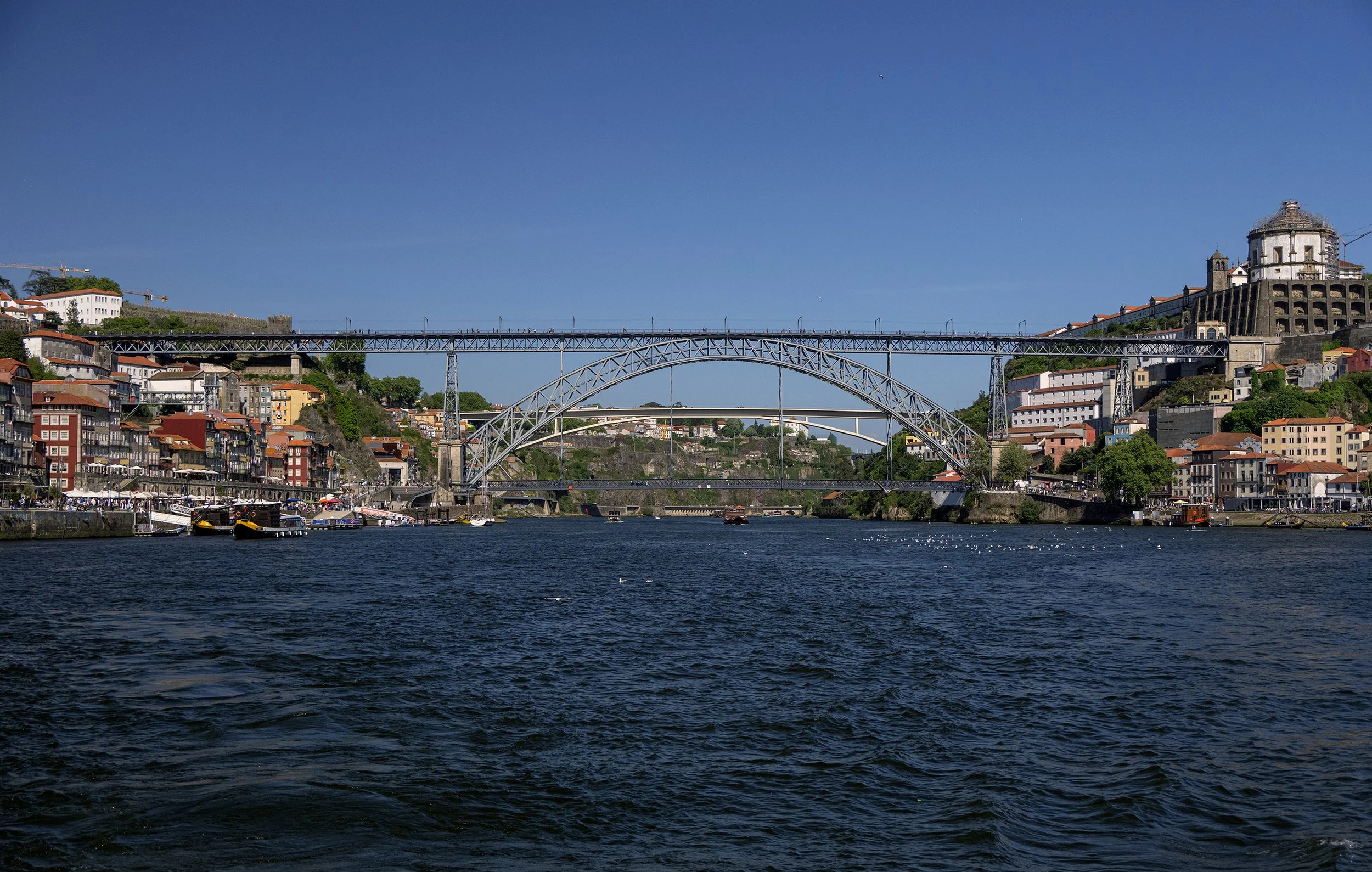
Down – and down, and down, if you stumble onto those steps instead of the streets – by the Douro it’s lovely, though. The bridges are impressive: there are 6 now, and another one is being built. The Dom Luís I, the one in all the photos, is the centrepiece; it’s a double-decked iron arch designed by a pupil of Eiffel, while Eiffel himself built the similar Maria Pia Bridge nearby, now redundant but once the longest bridge in the world. It’s a busy area for dining and wandering, and the mood is relaxed: the bridges, the terracotta rooftops, the port wine lodges across the water, the flat-bottomed rabelo barges at the quayside.
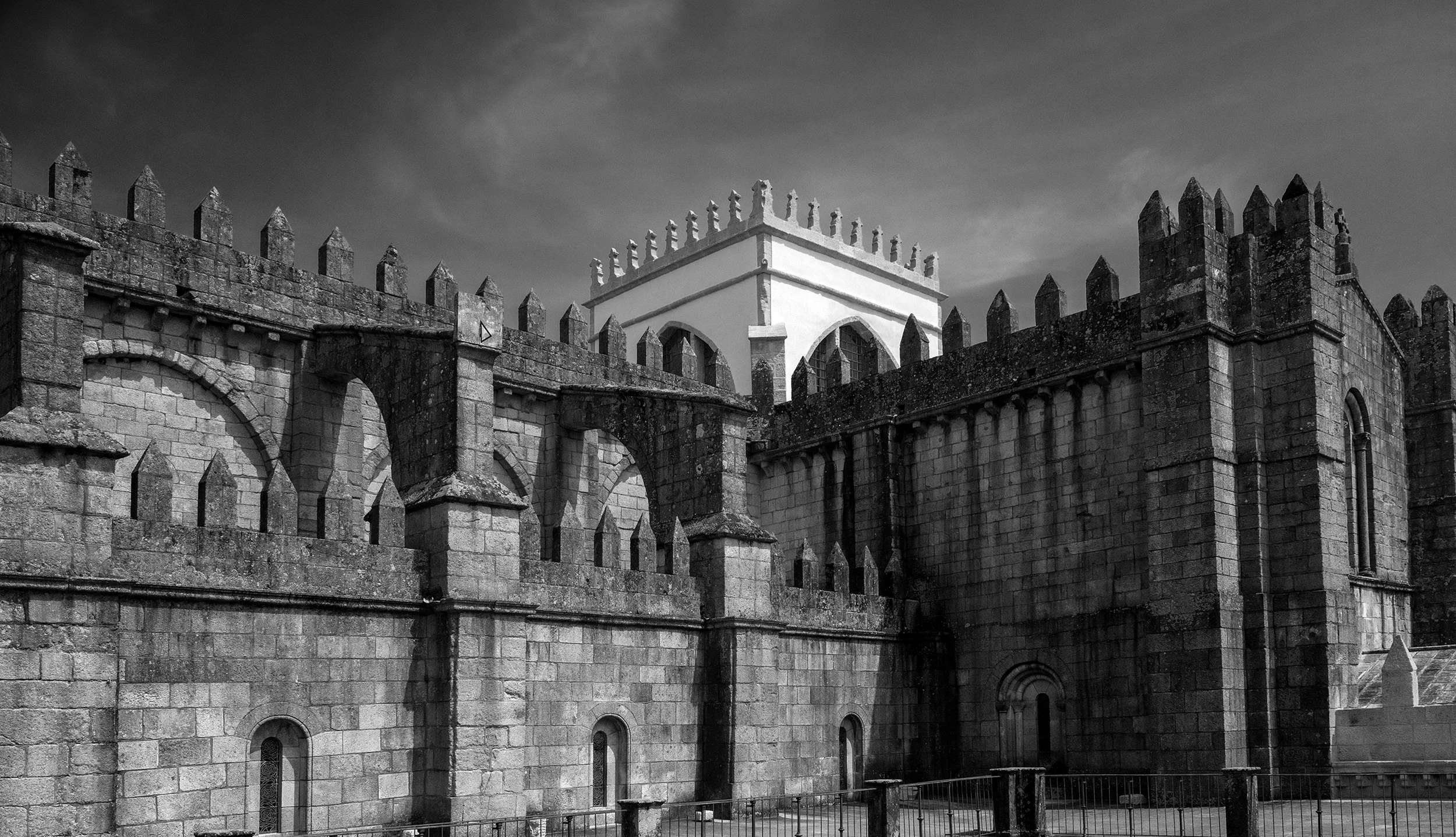
Other high points in Porto? We took a cruise on the Douro with wine and port, and food prepared by the captain’s mother. We visited Porto Cathedral (known as the Sé), built between the 12th and 13th centuries. And right around the corner from our hotel, we found an unexpected Belgian bar — and perhaps it’s best we just gloss over that…
What didn’t we like? Well, even worse than the acres of scaffolding were the motorbikes: absurdly loud, and seemingly tearing around every corner all day and night. Maybe we were just unlucky with our hotel, but the engine noise alone would put us off revisiting the city.
The bus journey south to Lisbon was about 3.5 hours, a decent chance to relax after 4 days’ walking (and, er, that Belgian bar the night before). Lisbon is clearly better funded and organised, and apart from its hills more amenable to a few days’ moseying. It has more to see too, though for us the highlight was the Belém area: a few pleasant waterfront kilometres out, it also has the Maritime Museum, the Monument of the Discoveries, the Belém tower (the start and end point of so many 16th century Portuguese explorers’ voyages…now, inevitably, under scaffolding), and the extraordinary Jerónimos Monastery, where Vasco da Gama is buried.
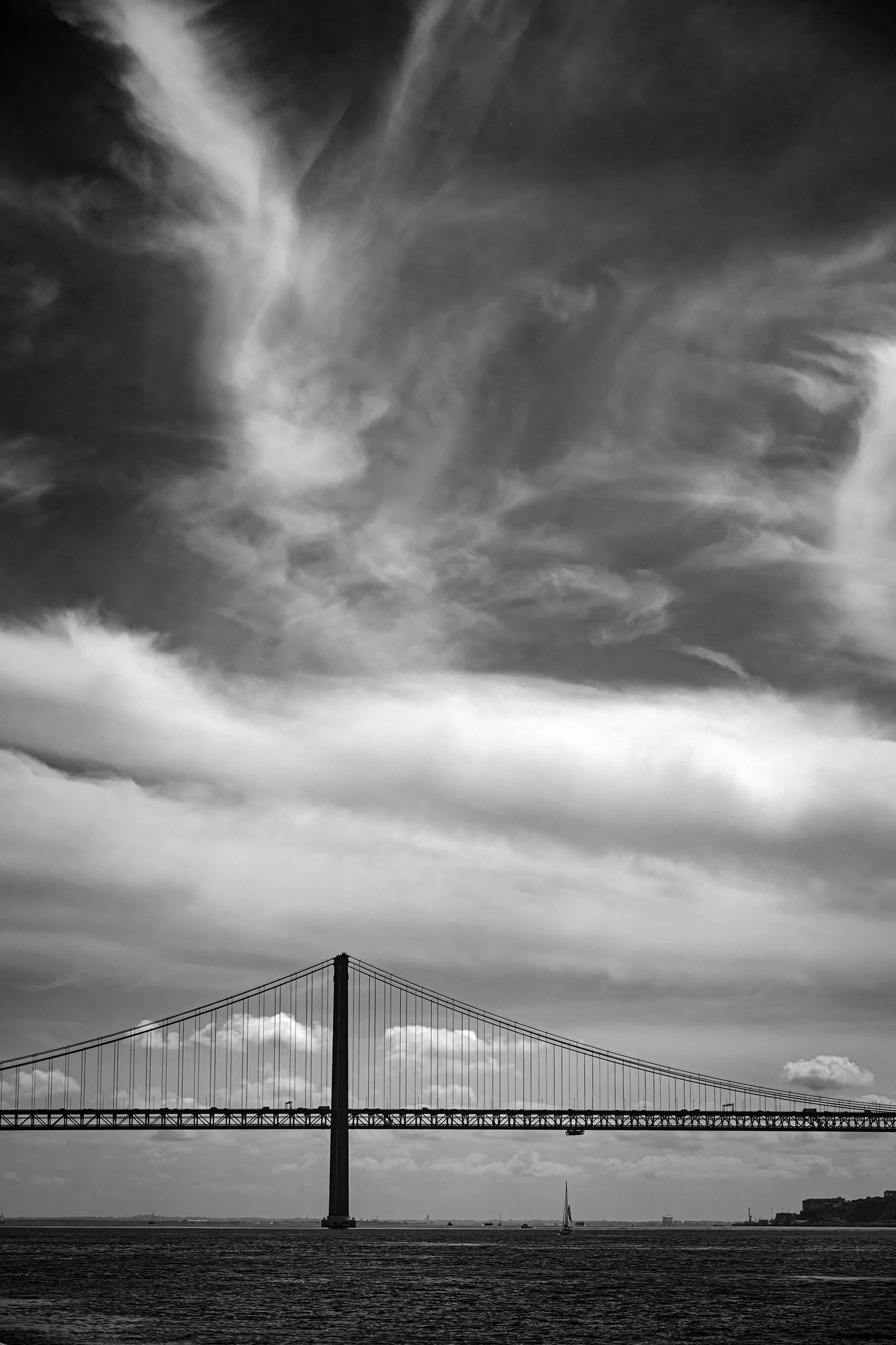
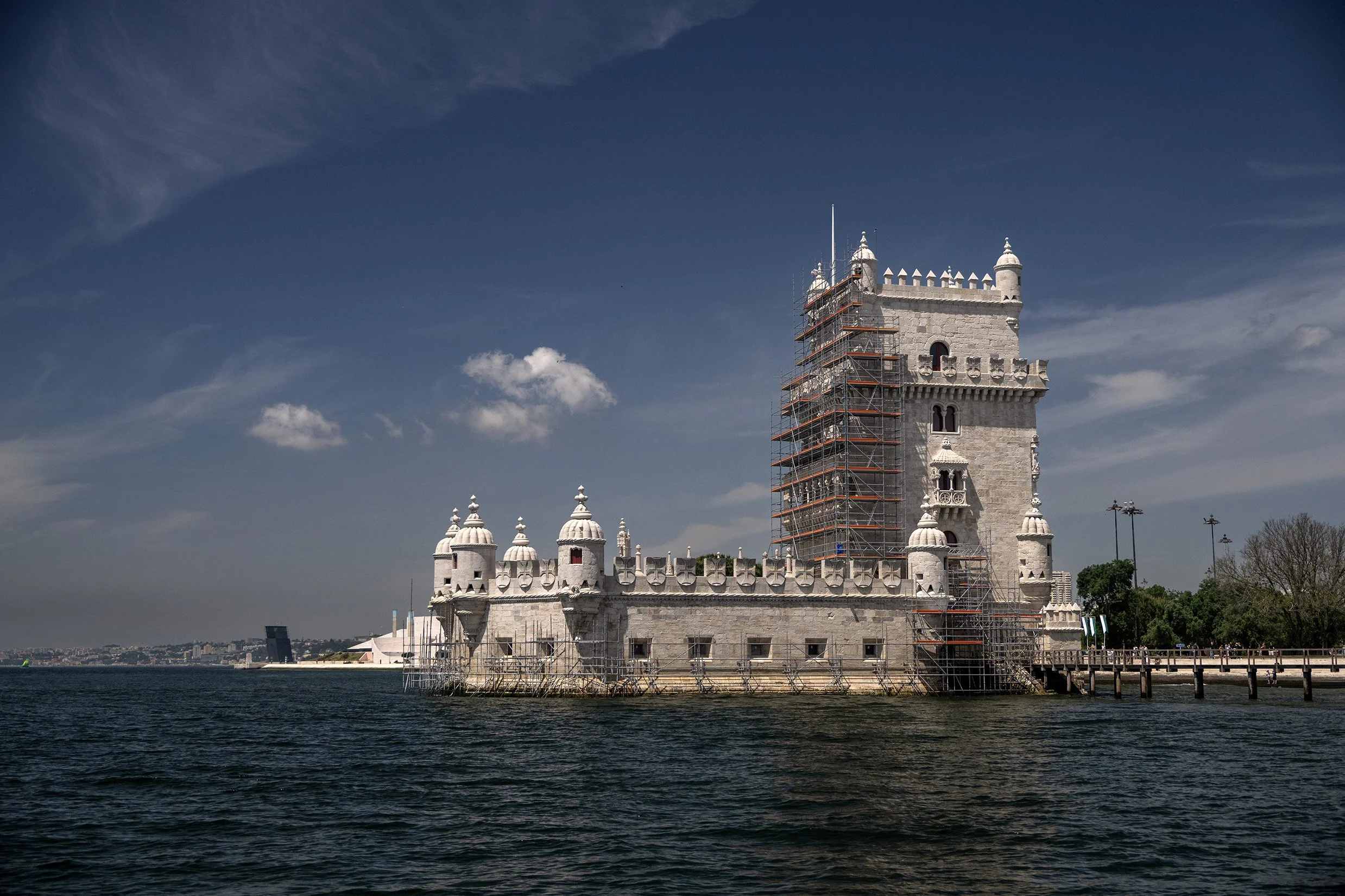
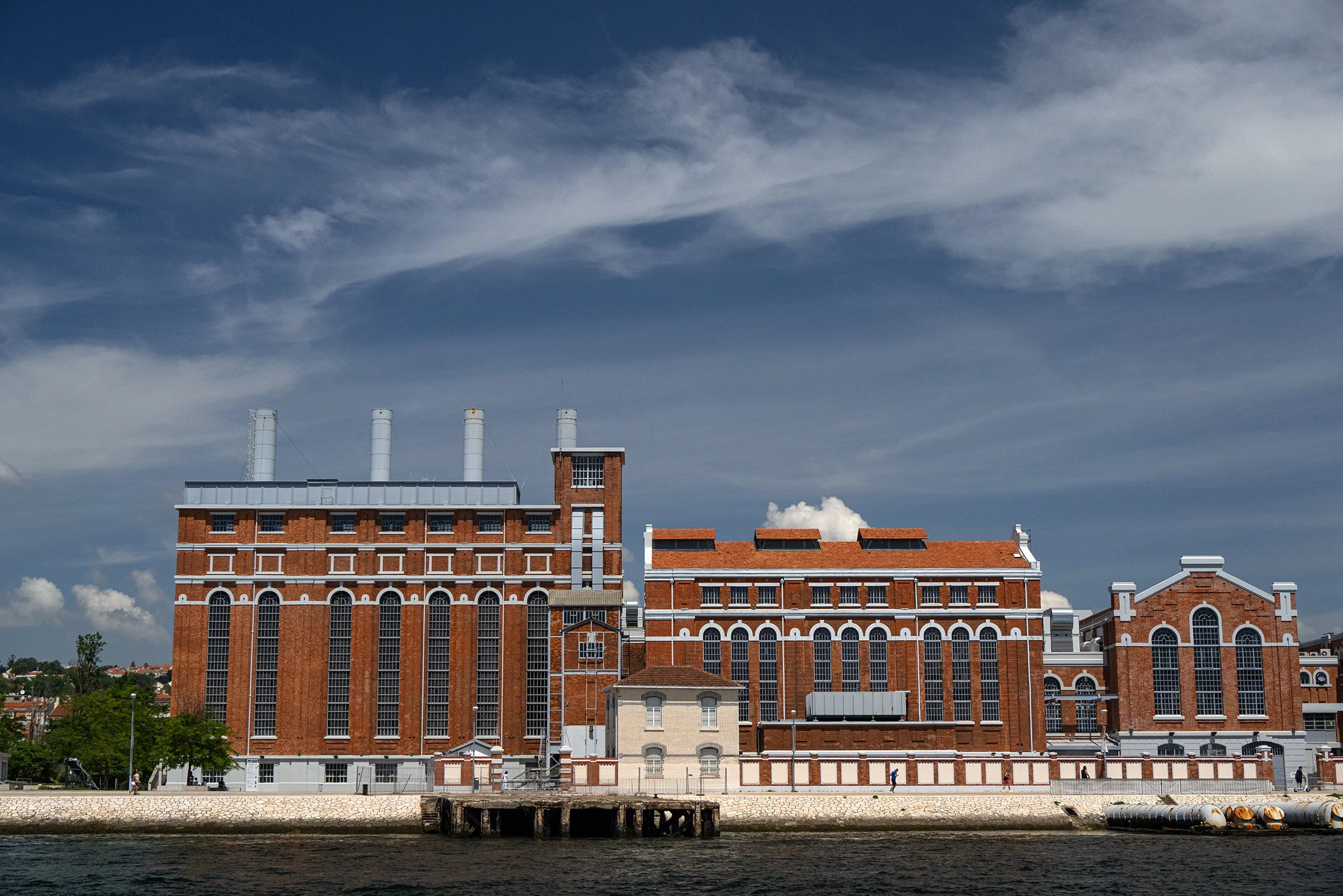
It’s a pleasant city, again with a fairly relaxed vibe and numerous little side streets – but we were there before peak season and already it felt a bit too busy; and something should probably be done about the numbers of tuktuks everywhere.
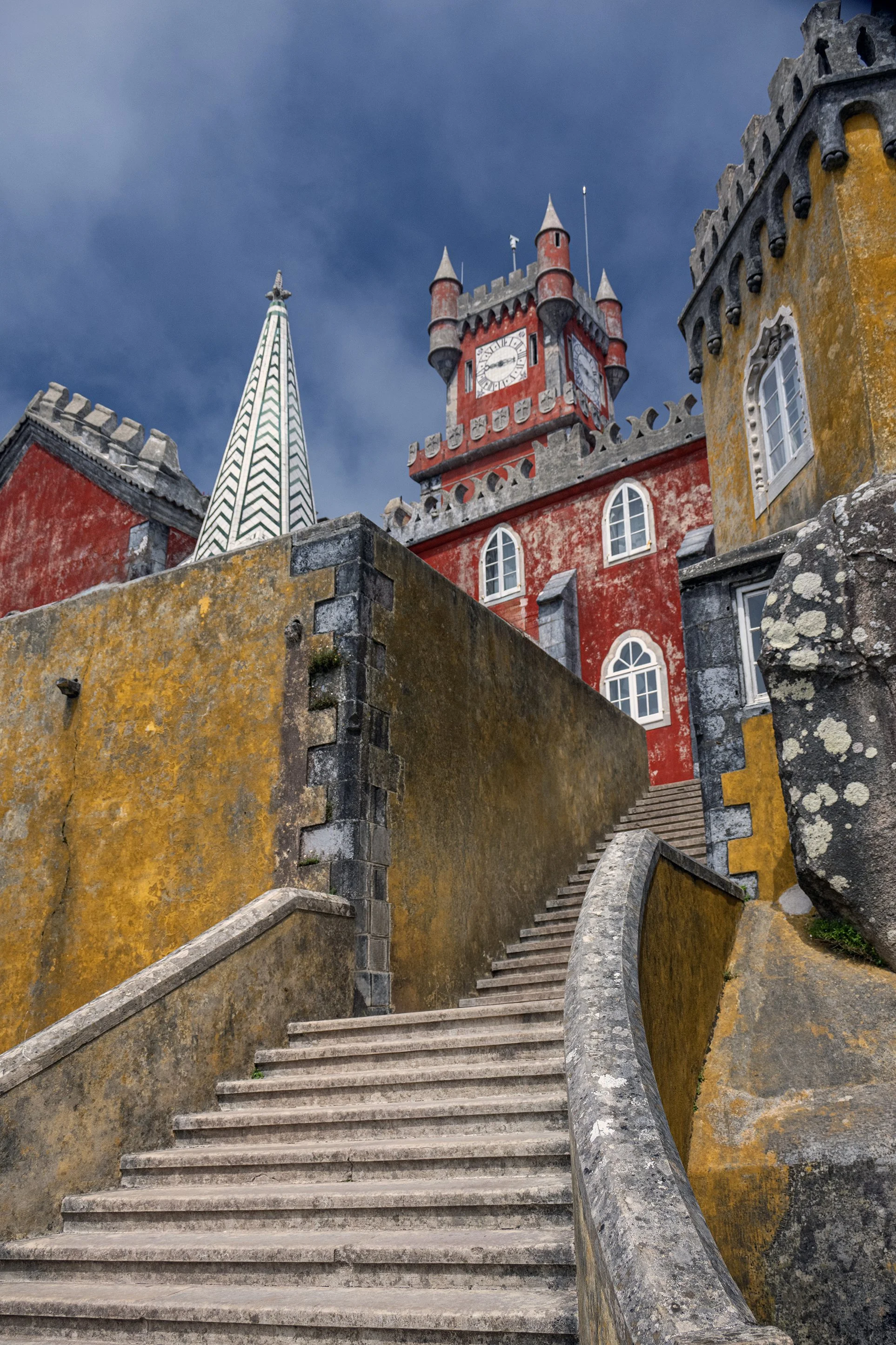
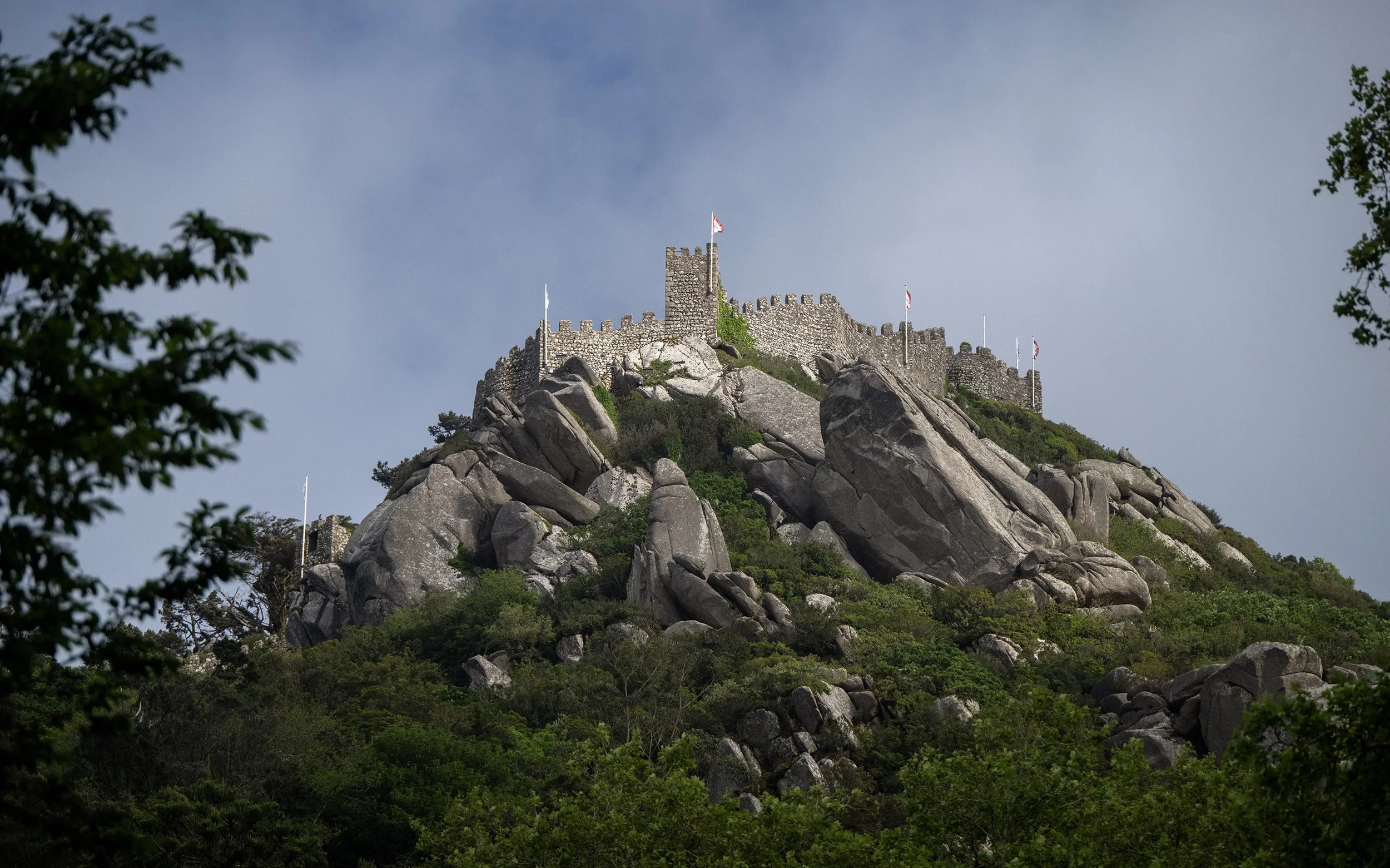
We also took a day trip to Sintra, mountain home of the old Royals and nobles. We had gone there half planning to walk around the sights – but unless you are superfit and determined, you will just not see much that way. A private tour lets you visit and learn about, as efficiently as possible, the likes of the Pena Palace (that yellow and red castle you see in photos) and the Moorish castle, and the mines, gardens and houses of the mountain. We travelled with Maria from Serra De Sintra tours (they’re on Facebook), and had a lovely day – Maria’s knowledge of the place’s history is excellent.
The food in both places was very good: proper portions of quality ingredients, with a decent range of Italians and Mexicans available if another dish of local seafood doesn’t appeal. Just be aware the Portuguese tend to rely on the ingredients themselves, rather than using a lot of salt or spices, so flavours can be more subtle than you might expect. The cod is tasty in all shapes, though, and the wine is generously poured; and, yes, you must try the pastéis de nata: warm custard tarts dusted with cinnamon and loaded with their own history.
As much as we enjoyed most of the trip, though, it was rarely a relaxing one. Both cities are hilly, busy and often noisy, and neither is particularly easy to navigate. Street signs are in short supply, corners and even major sights go unmarked; in parts of Lisbon, street names are carved into stone plaques at corners, which is elegant in daylight, invisible at night, and usually obscured by tuktuks anyway. Google Maps is not helpful: your location is routinely about 15 metres off, so you often think you’re in one little medieval street when you’re actually in another, and maybe coming up to a dead end. Lisbon, surprisingly, was about as hard to negotiate as Rome; the streets are tangled anyway, but the sheer variety of traffic coming at you from all directions can make it a challenge to cross them: cars, trams, roller skates, bicycles, motorbikes, trains and tuktuks all seem to have their own ideas, routes and schedules.
Verdict? Portugal is distinctive, historically fascinating, full of beautiful architecture and good food. Its two main cities do reward your efforts, but the effort:reward ratio might be higher than you expect. We’ve done them now, and probably won’t do them again. They’re good cities, but not easy. Maybe that is the point. Go once anyway.
