Crete For The Non-Beachy
So we finally made it to Crete. We’d been to Greece a few times before, and loved it, but because Crete was the biggest Greek island, and perhaps more “beachy” than we normally go for, we’d hesitated about visiting it: the two ends of the island just looked a bit far apart to visit comfortably without a car.
Well, if that’s been your thinking too, don’t fret at all: the island it not actually that big, and the bus services are plentiful (although the drivers could sometimes be gruff and confusing – we learned that “all bags” does not mean “all bags”, for example). For our first visit, we decided to split our ten days between two worlds: the historical energy of Heraklion and the more easy-going Chania. And on the bus that’s only a pleasant 2:45 hour drive: you can find the bus schedules here
We began in Heraklion, because how could we not: it’s the island’s capital, and it’s where you want to be to visit the Palace of Knossos, a place of ruins we’d always wanted to see. To be honest, some of the things we’d read about Heraklion in advance had slightly put us off. But while it’s not exactly the "white-washed village" you might expect from a Greek island - it’s a working city, busy and concrete-heavy in parts - beyond its modern facades, Heraklion is a perfectly pleasant and interesting place to spend a few days. The city’s Venetian walls and ancient shipbuilding bunkers are fun to see, and most dramatically the Koules Fortress is perfect for sunset or morning walks.
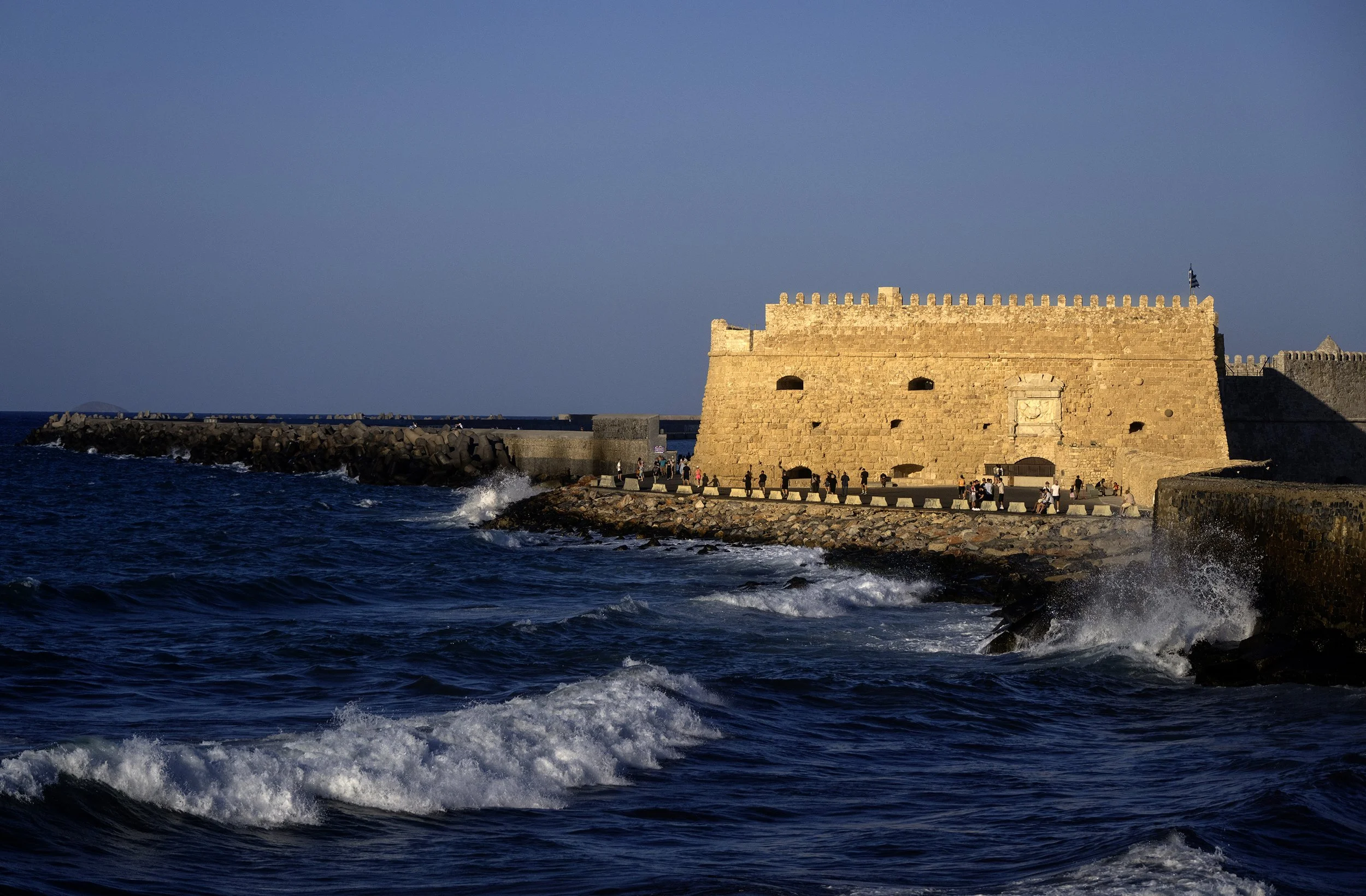
Koules Fortress, constructed by the Venetians around 1530 to protect the city that was important commercially and strategically.
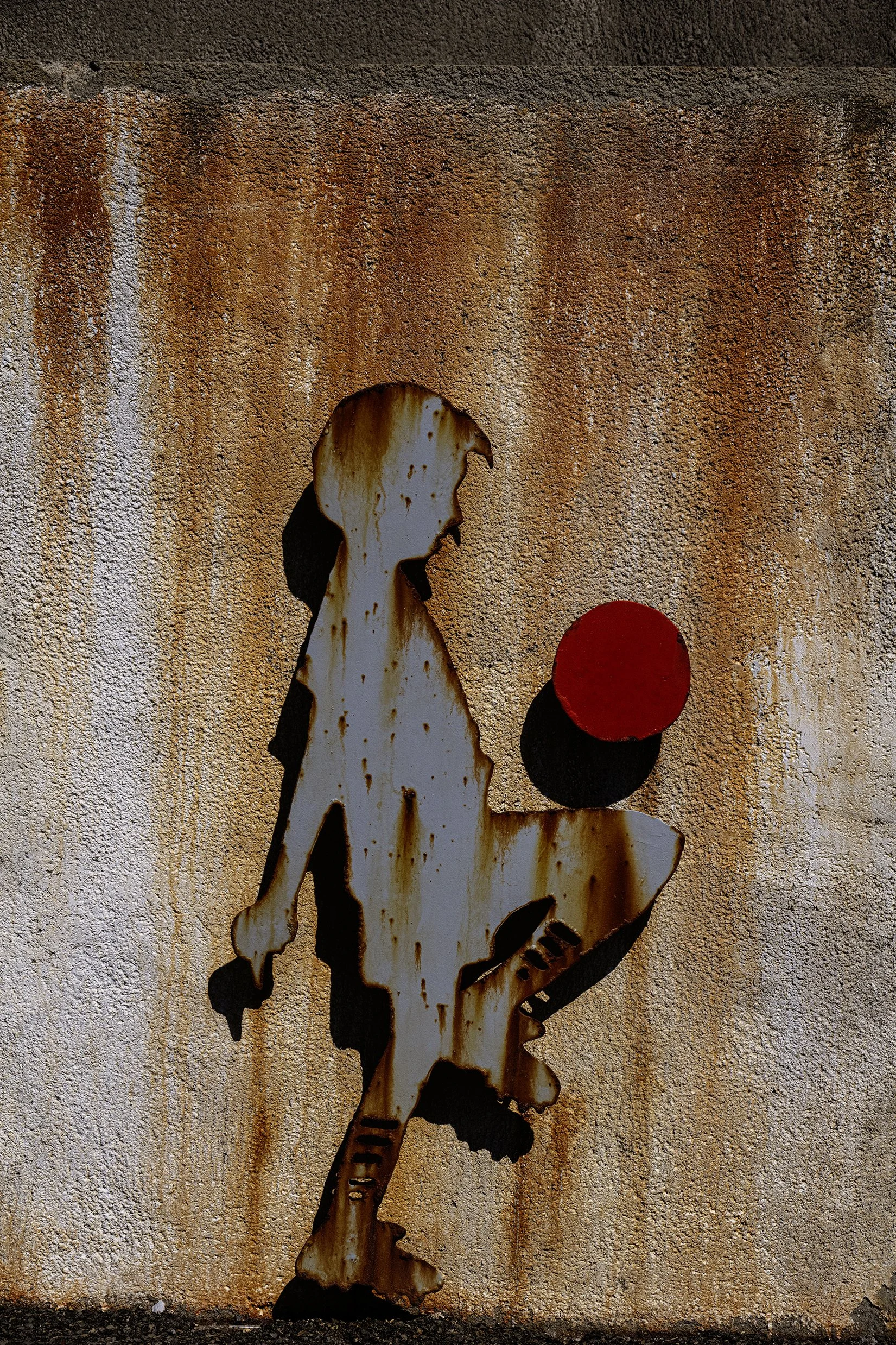
Public art on the Koules walkway
Knossos, the legendary Bronze Age city, was…as famous ancient sites go, visually underwhelming. It’s not huge, much of it is a jumble now, and you’re always conscious that some of the most striking structures (like the Throne Room and the Grand Staircase) have been reconstructed by archaeologist Arthur Evans and are perhaps not as authentic as you’d like. But it’s still a fascinating visit – I even felt that Evans’ dubious reconstructions have become part of the story now – and worth it just to scratch the old must-see itch.
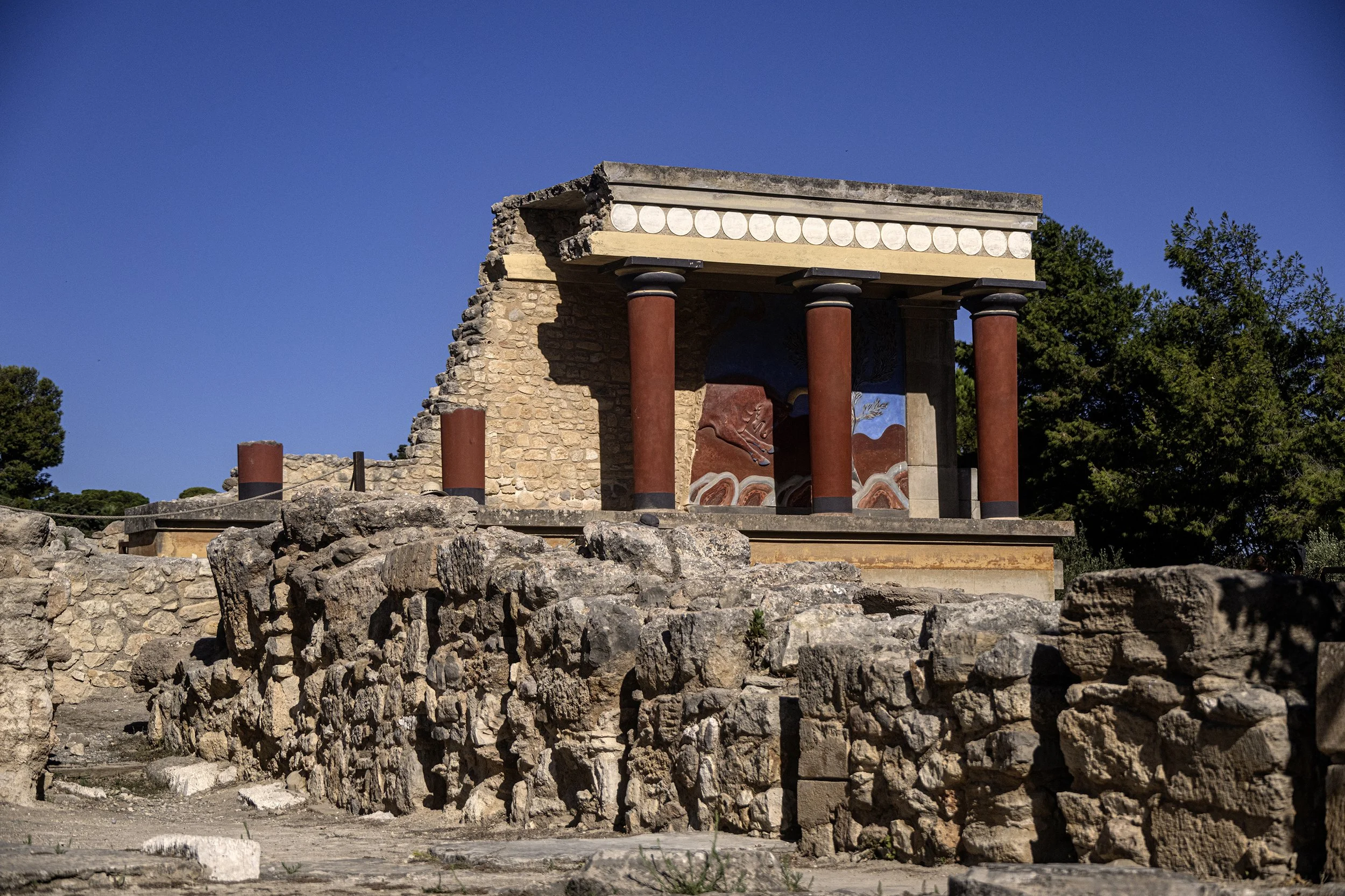
Knossos Palace, built around 2000 BCE as ceremonial and political centre of Minoan culture. Allegedly had 1300 rooms, not to mention the Labyrinth designed by Icarus, where the Minotaur lived.
We also struck out for a half-day on Spinalonga (one of the benefits of Heraklion is its transport access). This island, once a Venetian fortress and later famously a leper colony, is now a nest of abandoned streets: a more modern Greek ruin, somewhat sad even surrounded by the waters of Elounda.
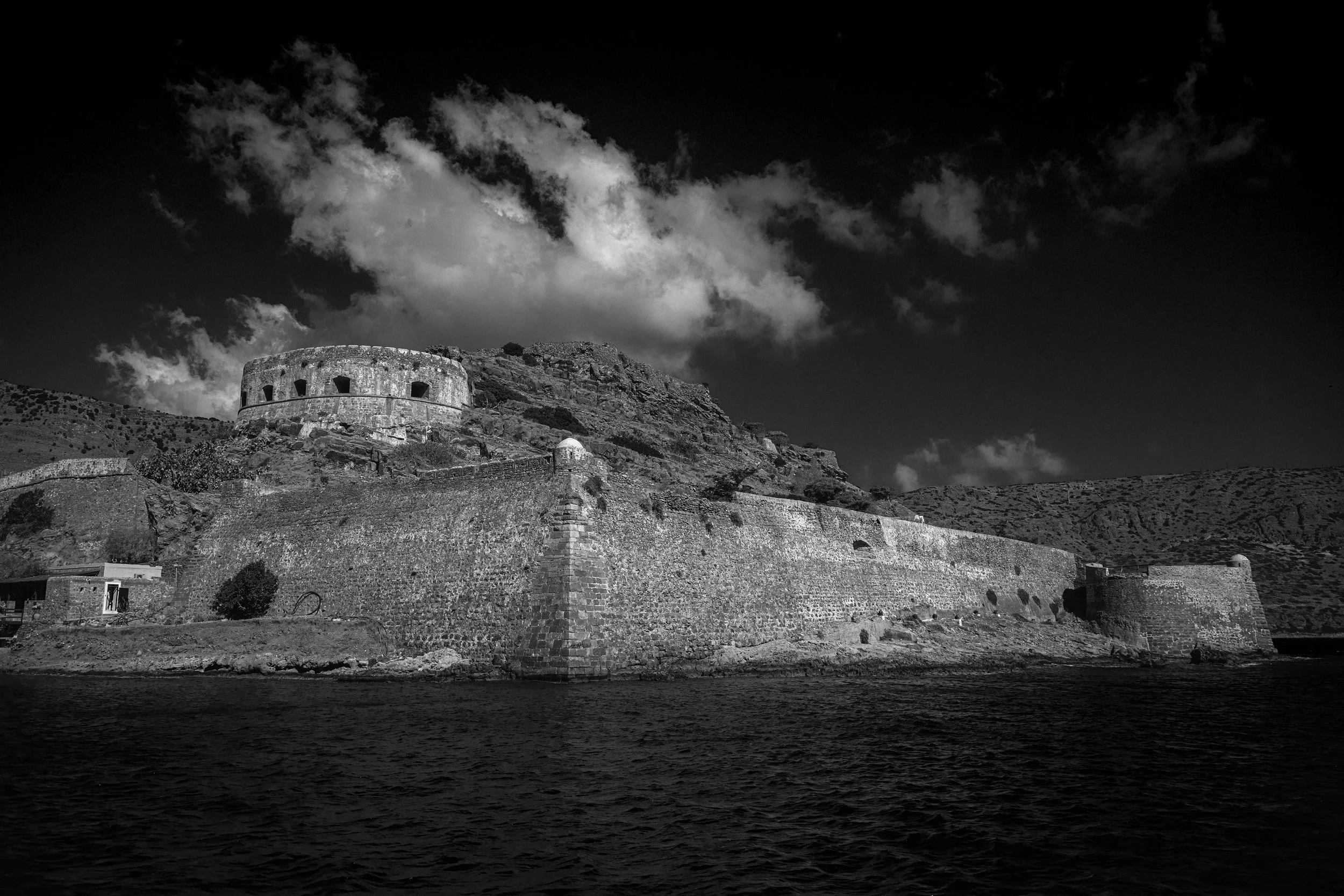
Spina Longa: built in the 16th century by the Venetians as a defense against the Ottoman Empire, and a leper colony between 1903 and 1957.
After Heraklion, we spent our final six days staying right on Chania’s Old Venetian Harbour – we stayed in Captain Vasilis Hotel, a small 16th century building that’s not luxurious but offers wonderful views over the harbour and lighthouse. Chania is somehow casual and intimate despite its obvious popularity: there are crowds here from morning until well after dark, wandering good-naturedly around the harbour or getting lost in small streets full of bougainvillea and tiny artisan shops. It’s a beautiful place to simply wander: lots of side streets and welcoming cafes right on the harbour (a word of warning: the water does splash onto the pavements a lot), while the Egyptian Lighthouse is both a worthwhile walk (it’s further than it looks – bring proper shoes) and a real local symbol.
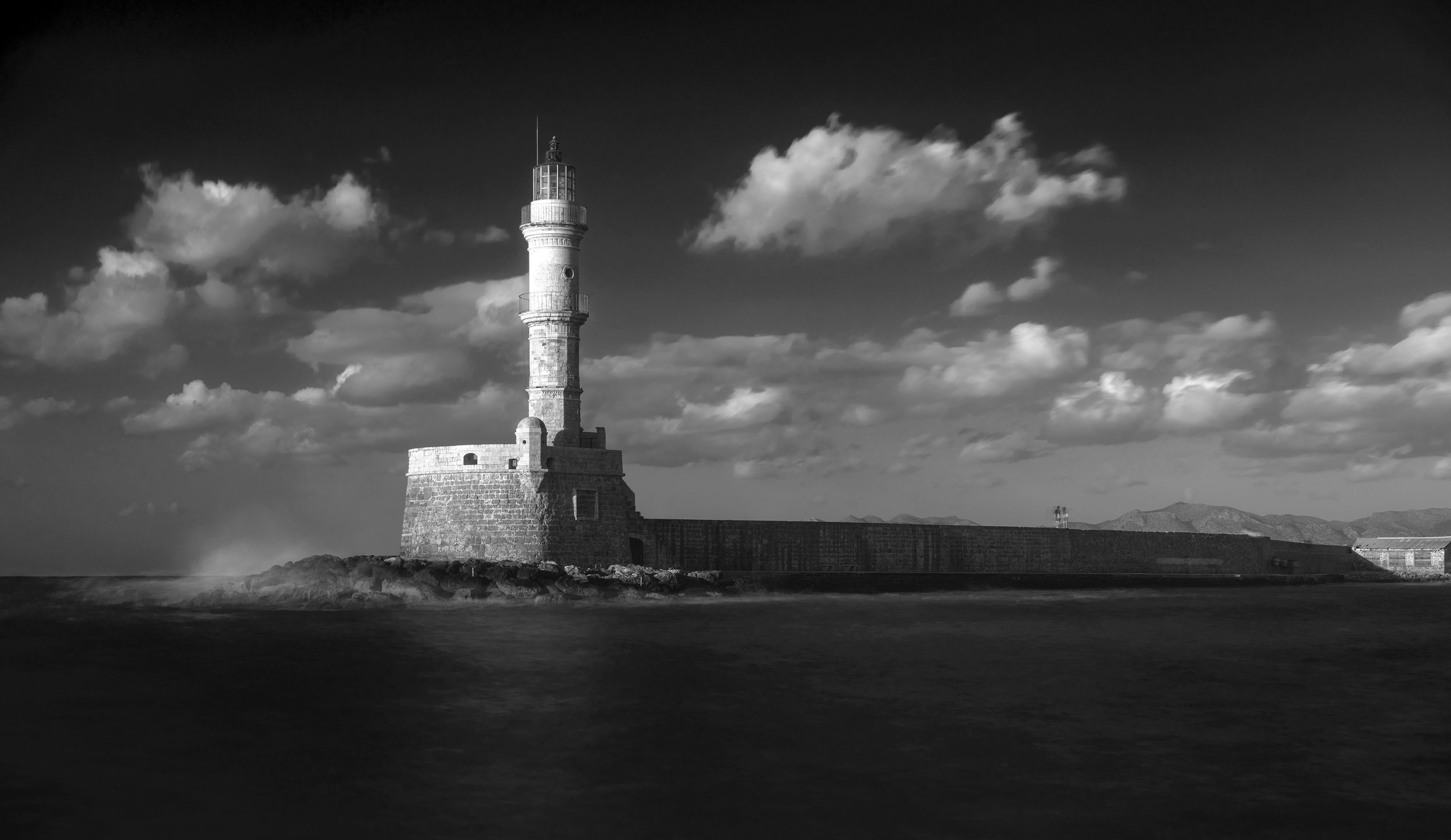
Chania Lighthouse, built in 1580 by the Venetians. 21 metres tall, featuring a combination of Venetian, Egyptian, and Byzantine styles.
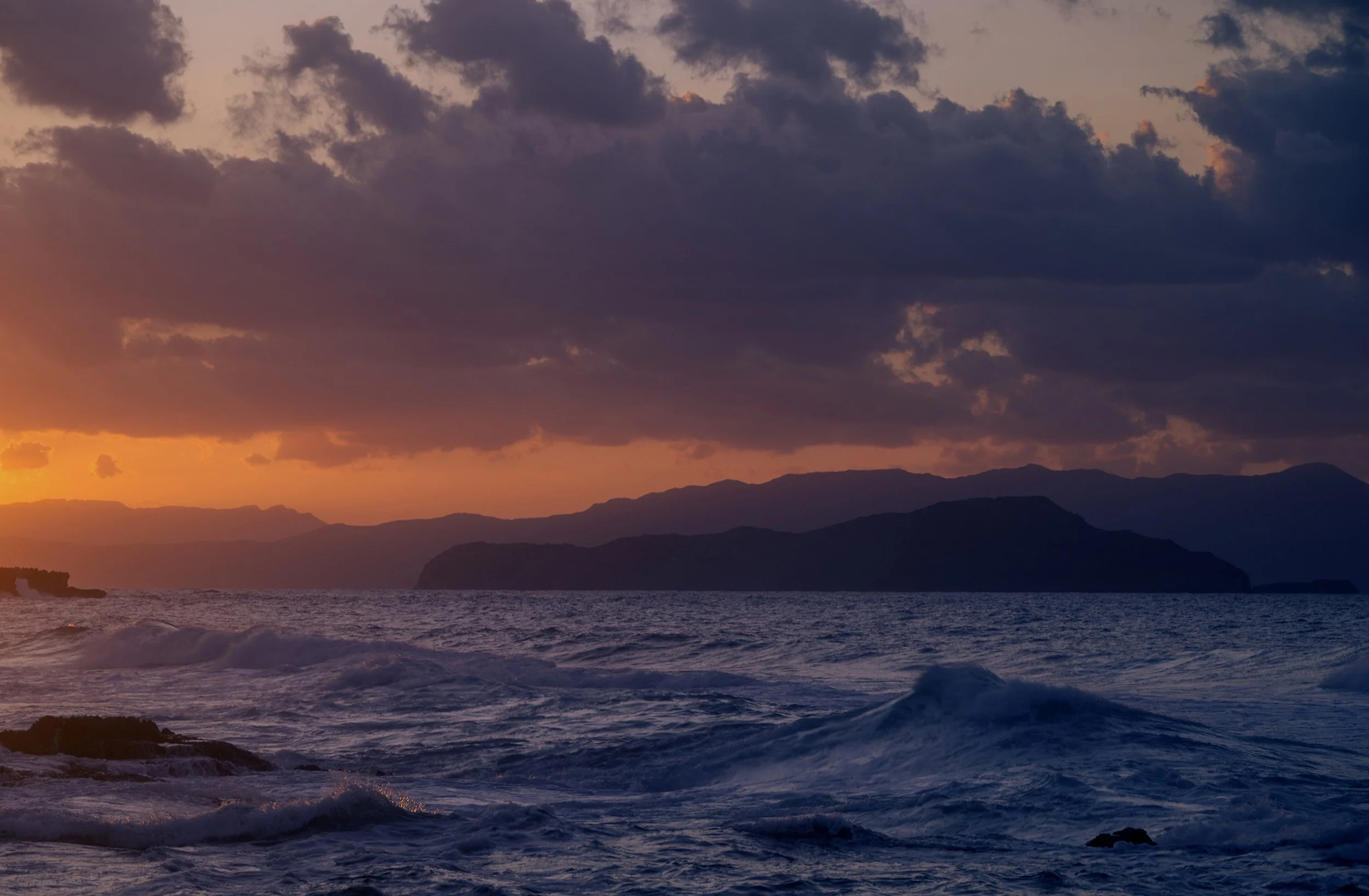
The evening waves at Chania.
We took two trips out of Chania. One was to Rethymno, another lovely day trip: a more enclosed town, it has the relaxed feel of a slightly more luxurious Chania, although it was just too hot on the day we went there. The other was a day in the White Mountains, where we visited a remote mitato —a traditional shepherd’s stone hut – and enjoyed some panoramic views over the island. Up there, the air is thinner, but scented with wild herbs like thyme and oregano: we actually stopped to smell these, and the scent is extraordinary, so much more than the similar herbs we’re used to from supermarkets.
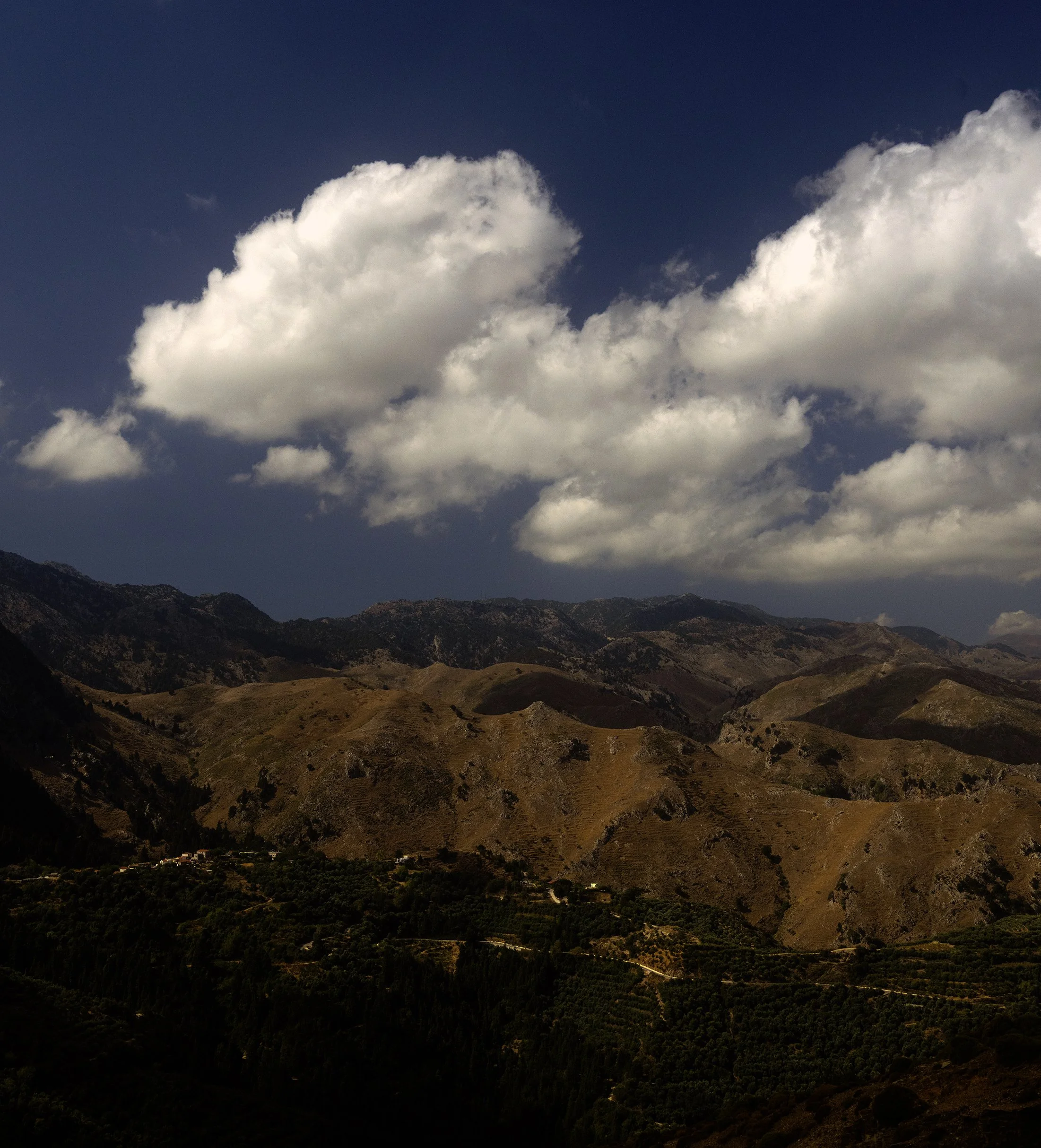
The White Mountains
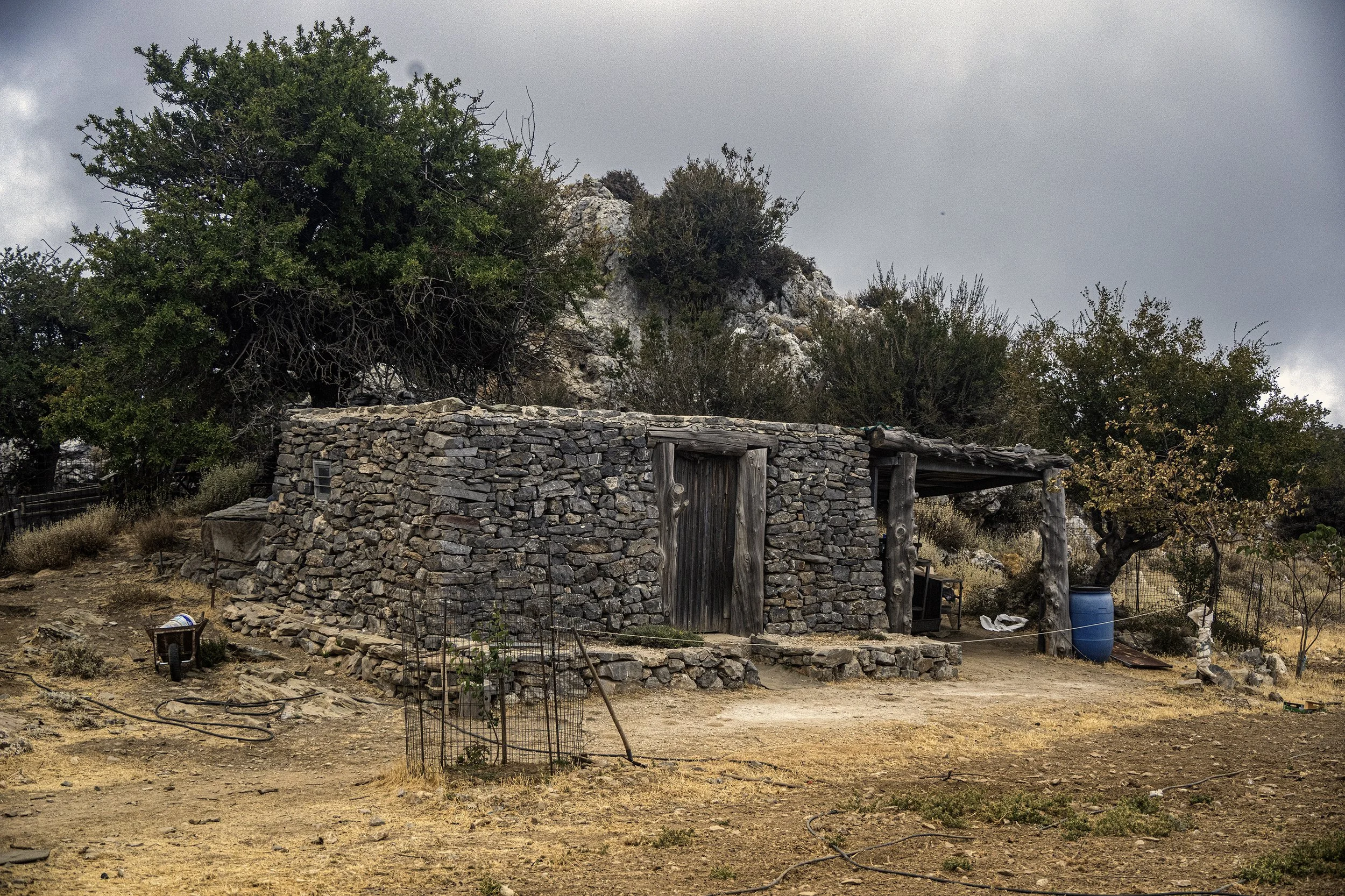
Shepherd’s hut, in the remote mountains
I should probably also mention the food. Cretan cuisine is deceptive: flavourful but simple, plentiful but clean. We ate wild greens in olive oil, local cheeses and olives, salads and pastas, and even, unusually, a little bit of goat and pork. More unusually still – in fact, the only time this has ever happened – after 10 days of dining well, we returned home a pound or two lighter. I presume that was just the Mediterranean way: dine well, walk often, and don’t be rushing.