
Why America (Probably) Can’t Afford To Keep Fighting
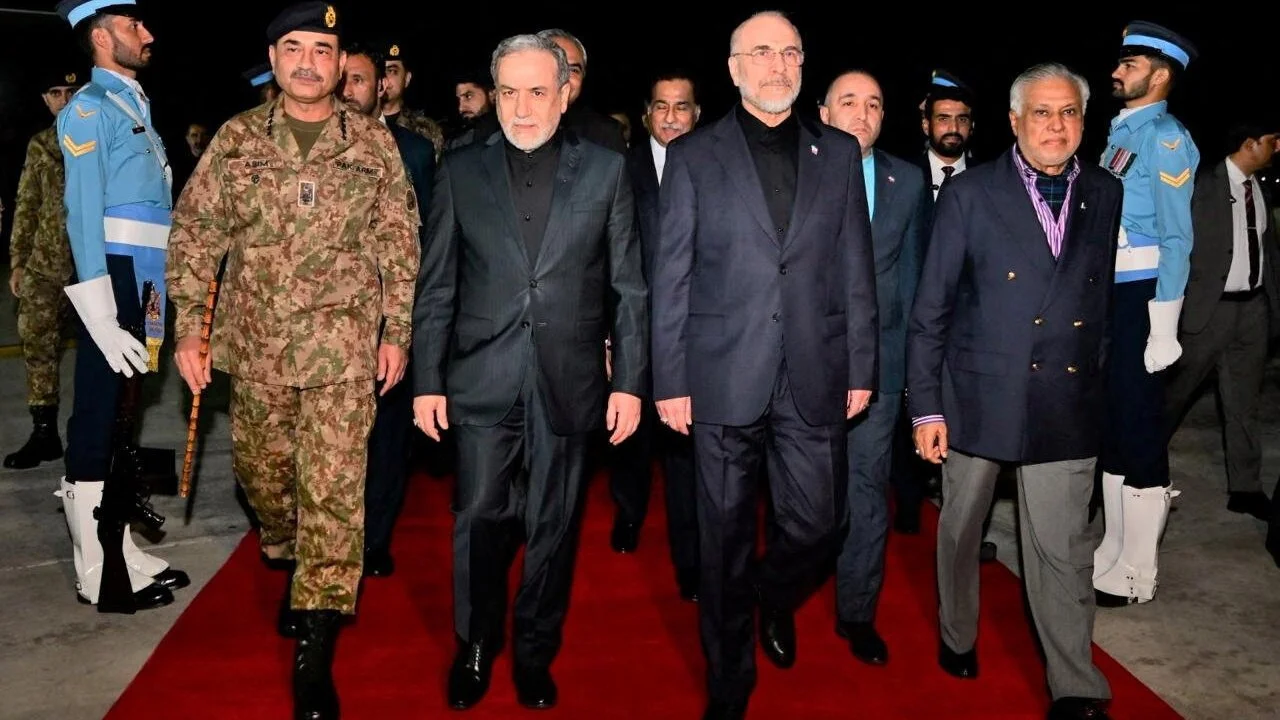
The Iranian delegation, looking confident on arrival in Islamabad for talks with America
As of mid-April 2026 (as I write this, Iran and America are entering uniquely difficult talks) the conflict in Iran has entered a weird stalemate that nobody quite knows how to read. Donald Trump is probably right that the United States is the most technologically advanced military force ever, but there are several layers of maths going on that he can only pretend to defy. His Operation Epic Fury has exposed the shortcomings of a military (the same principle applies to whole economies) that runs on a kind of neoliberal, just-in-time system, with as little slack as possible: that’s fine when things are fine (aside from some occasional “global policeman” action), but as we are learning, we can’t assume that things are going to be fine anymore. Now America is left trying to pitch its high-tech boutique armoury against the more basic, but mass-produced, weaponry of Iran – and depleting both its stockpiles and its budgets and, let’s say it, its international standing, in the process.
The financial toll alone of the war is unprecedented for such a short (so far) conflict. Trump’s advisors, with their usual perspicacity, thought a short, sharp attack would be the end of it; that’s certainly the gist of the oily noises Hegseth has been making. But independent estimates from the Center for Strategic and International Studies and Harvard economists suggest a daily "burn rate" of about $2 billion.
Meanwhile, both the US Navy and the Air Force are running low on weaponry, with no possibility of production scaling up to match. America fired its primary weapon, the Tomahawk Missile, over 850 times in just four weeks of fighting; but they can only produce 90 to 100 of them per year, so that’s nearly a decade’s worth of production, and about 25% of its total stockpile. (As a little aside, the US military uses the term "Winchester" to indicate they are completely out of ammunition – it comes from the late 19th and early 20th centuries, referencing the Winchester rifle, known as "The Gun That Won the West" because it allowed a shooter to keep firing…until it went click and you were out of ammo.)
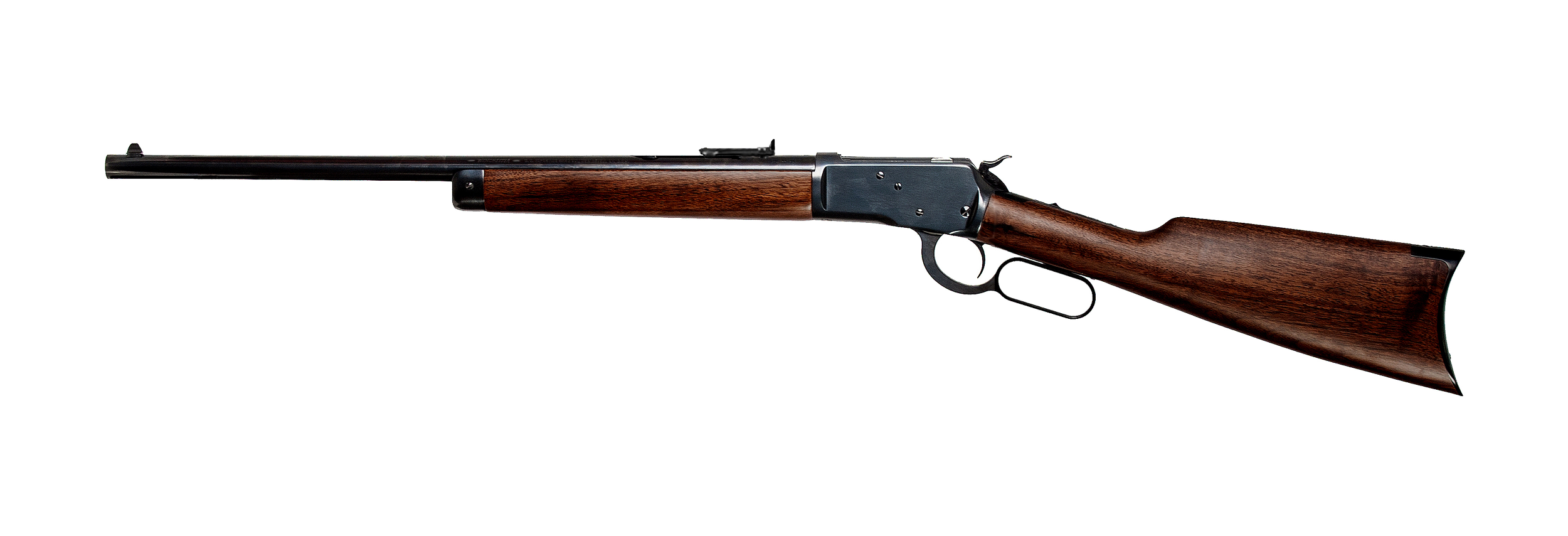
The Winchester rifle, "The Gun That Won the West”
Things are worse again with their interceptors like the Patriot missiles. Each one costs about $4 million, and can only stop (at most) one $20,000 Iranian drone. Even with a near-perfect interception rate, it’s completely unsustainable; by draining so much stock and funding in Iran, America is also in danger of leaving other interests like Guam and Taiwan exposed.
The core of the problem lies in the countries’ different approaches to production. Iran, building cheaply with off-the-shelf components, produces 1,200+ ballistic missiles and 6,000+ Shahed drones annually. They are prepared, mentally and militarily, for the kind of attrition that America, with its small numbers of high-precision masterpieces, just cannot sustain and presumably did not foresee. There are plans to scale up production, but it will take until at least 2028 to reach targets that Iran currently already exceeds; meanwhile, even the 2-week ceasefire will allow Iran to significantly replenish its own stocks.
No doubt aware, however reluctantly or dimly, of this picture, in late March the Trump administration initiated a back-channel dialogue through Pakistan. While Trump frames the ceasefire as the result of US pressure, the maths tells a different story. So too does the swagger of the Iranian delegates arriving for talks; no doubt they too are exhausted, but they see themselves as victors, or at least undefeated, and have more to gain from a short ceasefire than America has. Iran even claims to have provided a 10-point peace plan that Trump accepts as a "workable basis" for talks, although some of their demands look entirely too painful for Trump to swallow, while other items – the reopening of the Strait of Hormuz, for example – only take things back to where they were before America started the war, however much Trump might claim them as victories. (And just a few days ago, Spanish Prime Minister Pedro Sánchez rebuked Trump by saying he would not "applaud those who set the world on fire just because they show up with a bucket”.)
And this is clearly not just affecting those two countries, or even just the Middle East. The fuel crisis is already too familiar, but there are other crises brewing that could turn out to be just as significant. Helium stocks are dwindling, which are needed for computers and many medical devices. There is already a food crisis in the Gulf, forcing nations like the UAE and Qatar to airlift basic groceries at huge cost (food prices have increased by up to 120%). A “fertiliser shock” is already spreading across the globe: one-third of the world's exported fertiliser passes through the Strait of Hormuz, which will probably cause global food prices to rise by at least 6% this year, and risks real crop and food shortages across much of the world over the next 12 months.
